
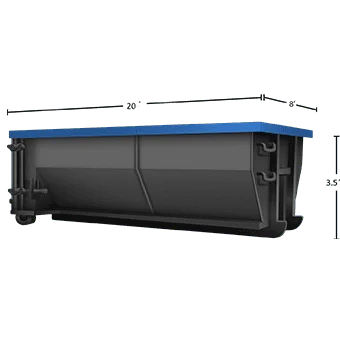
A removable container that stays for loading
The roll-off format leaves a separate box at the agreed position while the project loads approved waste. The provider returns to handle and remove it; it is not a customer towing or self-transport arrangement. Ask about the actual offered container, any loading-door feature and the instructions for its use rather than assuming every box has identical dimensions or fittings.
Consider the waste sequence as well as the first load. One hire may end with final recovery, while a continuing job may need collection and a separately agreed replacement. Request the equipment period, delivery, load and weight conditions, disposal scope and any exchange or extra-day terms. The truck-access checks below apply on every return visit, not just the original delivery.
Describe the whole vehicle approach
Share the entrance, turns, surface and any overhead lines, branches or other obstacles. Identify restrictions on public or shared access and have the position authorized. Ask the provider to assess the approach and handling space for its actual equipment rather than guessing from a container photograph.
Keep the loading operation controlled
Describe debris type, expected amount and loading method. Confirm accepted material, loading limits and weight terms before the crew starts. Keep the working area separate from restroom queues and other public movement. Do not move the container or alter its position independently.
Schedule exchanges before the site fills up
If the job produces debris in phases, discuss collection and replacement windows. Keep the approach free when trucks return, even after materials and machinery occupy the property. Ask the quote to identify transport, rental duration, disposal allowance, exchanges and any additional charges.
Questions before you book
Can I request an exchange during the job?
Explain the expected waste stages and ask the provider to confirm whether a replacement container can be arranged. Agree the load, timing, access and terms before relying on an exchange.
Can the container sit tightly between parked vehicles?
Have the provider review both placement and retrieval space. A container that fits at rest may still be inaccessible to the truck when it is time to collect it.