
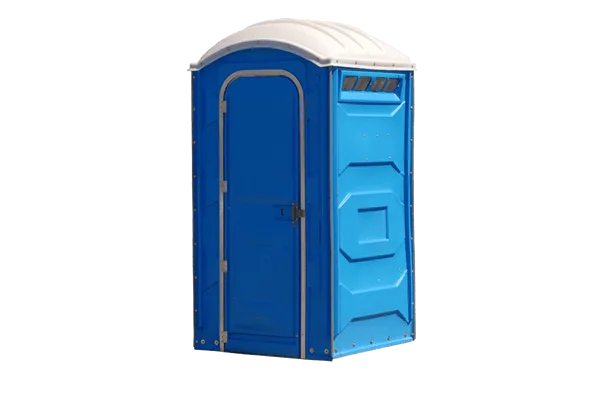
Decide what the cabin must do
Describe the activity and who depends on the unit: a working crew, guests at an outdoor gathering or occupants during a bathroom interruption. A basic cabin should not be assumed to have flushing, a running-water sink or electric lighting. Ask for the actual offered fittings, and compare upgrades only when they solve an identified need.
Quantity depends on the use pattern as well as the total headcount. Share how long people remain on site, whether they take breaks together and which existing bathrooms they can actually use. Include staff and setup workers in that discussion.
Make washing and accessible access part of the order
A toilet and a washing point perform different tasks. Confirm the sink arrangement or request a separate handwashing station with water, soap and drying supplies. Discuss accessible equipment together with the route, surface and clear door approach. The cabin’s category alone does not settle the suitability of the installed arrangement.
Keep the unit usable through collection
Agree a firm, authorized position that people and service vehicles can reach. Ask the quote to identify delivery, rental dates, cleaning, tank service, supplies and removal. Nominate someone to monitor use and report problems between visits. If the position or dates must change, arrange that with the provider before moving the equipment.
Questions before you book
Does a standard unit need a sewer connection?
A self-contained cabin stores waste in its own tank. Confirm the actual equipment and the tank-service arrangement; do not connect or empty its system independently.
Is washing included?
Ask explicitly. A basic toilet may have no running-water sink, and a sanitizer dispenser does not establish a handwashing facility.